China Best Precision Custom Machining Solutions for Global Buyers?
In today's global manufacturing landscape, China stands out as a leader in Precision Custom Machining. This industry specializes in creating highly accurate and tailored components for various sectors, including aerospace, automotive, and medical. The blend of advanced technologies and skilled craftsmanship elevates Chinese manufacturers as key players on the world stage.
Precision custom machining requires a deep understanding of materials and machining processes. Many buyers seek solutions that meet stringent specifications. However, navigating the market can be daunting due to varying standards among suppliers. Ensuring quality and reliability is paramount. Establishing partnerships with experienced manufacturers is critical.
Despite its strengths, there are challenges in this sector. Communication gaps and different quality expectations can lead to misunderstandings. Buyers must do their homework. Seeking multiple quotes and visiting facilities can mitigate risks. In an era where precision custom machining plays a vital role, informed decisions are essential for successful collaborations.
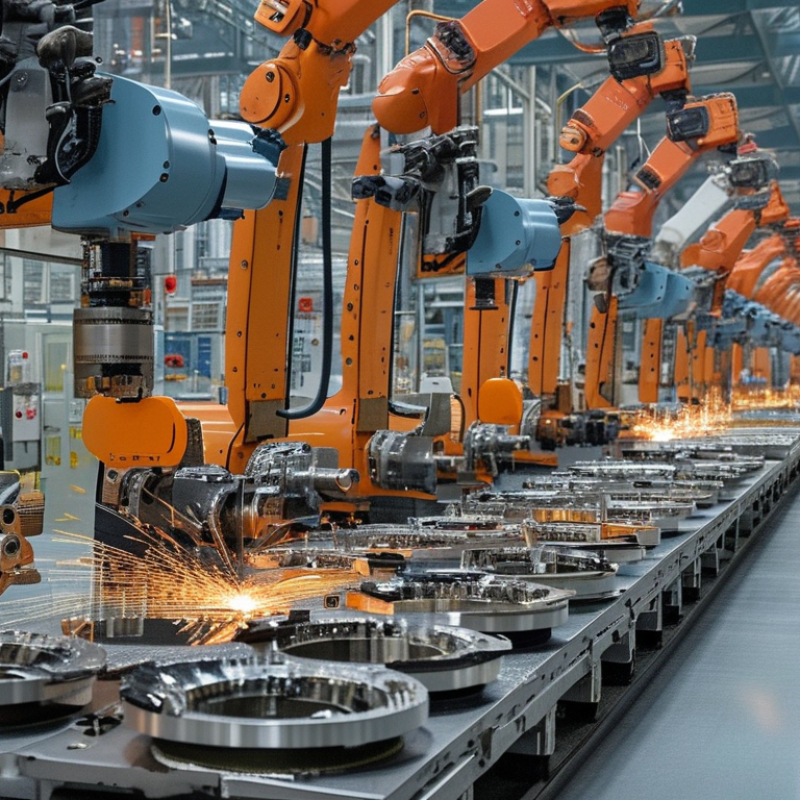
China's Role in the Global Precision Machining Industry Landscape
China has cemented its position as a leader in the global precision machining industry. According to recent reports, the country accounted for over 30% of the world’s precision machinery manufacturing in 2022. This significant percentage reflects its increasing competitiveness and capabilities. The nation benefits from an abundance of skilled labor, advanced technology, and robust supply chains. Yet, challenges persist.
The precision machining sector in China is evolving rapidly. In 2021, the market was valued at approximately $70 billion, with a projected CAGR of 6%. However, quality control remains a crucial concern. Reports indicate that inconsistencies in manufacturing processes can lead to defects that undermine reliability. Buyers seeking precision components must remain vigilant about these issues while navigating a complex supply landscape.
Sustainability is becoming a key factor as well. Many manufacturers are now adopting eco-friendly practices. However, the transition is not always smooth. Some facilities still rely on outdated methods. Transparency in sourcing materials is also lacking in certain areas. As global buyers engage with China's precision machining solutions, they must weigh both the potential advantages and the drawbacks.
Key Advantages of Custom Machining Solutions in China
Custom machining solutions in China offer a range of advantages for global buyers. Many manufacturers are equipped with advanced technology. This allows them to produce complex parts with high precision. The skilled workforce in China further enhances this capability. They possess the expertise to handle intricate designs and specifications effectively.
Another key benefit is cost efficiency. Production costs in China tend to be lower than in many other countries. However, while this is appealing, it’s crucial to assess quality. Not all low-cost options provide the same reliability. Buyers should verify quality control practices to avoid pitfalls.
Flexibility in production is another advantage. Chinese manufacturers can accommodate various order sizes. Whether for large volumes or custom one-off pieces, adaptability is key. Yet, challenges may arise, such as language barriers and cultural differences. Effective communication is essential for successful partnerships. Buyers should be prepared to invest time in building relationships.
Market Trends and Statistics for Precision Machining in 2023
The precision machining market is evolving rapidly in 2023. A recent report indicates that the global precision machining market size is projected to reach $200 billion by 2028. This growth can be attributed to advancements in technology and increased demand in various sectors, including aerospace, automotive, and medical equipment.
According to industry analysis, approximately 40% of precision machining companies are exploring automation. Automation enhances efficiency but also raises questions about workforce adaptation. Skilled labor remains critical, yet there is an ongoing skill gap in many regions. Firms are investing in training programs to address this issue.
Moreover, sustainability is becoming a focal point. Recent statistics show that over 60% of buyers prefer suppliers who adopt green practices. This shift presents both opportunities and challenges. Companies that fail to integrate sustainable practices may fall behind. Embracing eco-friendly technologies is essential, but it requires significant upfront investment and careful planning. Balancing innovation, workforce needs, and sustainability will define the future of precision machining.
China Best Precision Custom Machining Solutions for Global Buyers - Market Trends and Statistics for Precision Machining in 2023
| Dimension | Value | Growth Rate (%) | Market Size (Billion USD) |
| Total Industry Revenue | 120 | 6.5 | 5.5 |
| Precision Turning | 45 | 5.0 | 2.25 |
| Precision Milling | 35 | 7.2 | 1.85 |
| Additive Manufacturing | 15 | 10.0 | 0.75 |
| Emerging Technologies | 25 | 8.5 | 1.25 |
Quality Standards and Certifications for Chinese Machining Suppliers
When sourcing precision machining solutions in China, quality standards are paramount. Chinese machining suppliers increasingly adhere to international certifications. ISO 9001 is one such standard that ensures effective quality management systems. This certification signals a commitment to maintaining quality throughout the manufacturing process.
In addition to ISO certifications, many suppliers pursue specific industry standards. For instance, certifications like TS16949 are common in the automotive sector. These standards provide an additional layer of assurance for global buyers. They reflect a supplier's ability to meet rigorous requirements for safety and reliability. However, not all suppliers may have these certifications. This gap raises questions about their adherence to quality practices.
Buyers should be prepared to ask detailed questions. It is vital to verify the certifications a supplier claims to possess. Checking references can help confirm their reliability. Observing their production workflow can also reveal insights into their quality control processes. While many suppliers strive for excellence, gaps in certifications or practices may occasionally exist. Being vigilant can protect buyers from potential pitfalls in the sourcing process.
Strategic Approaches for Global Buyers in Selecting Chinese Machining Partners
Selecting a machining partner in China involves strategic thinking. Buyers should start by assessing their specific needs. Different projects require varying capabilities. Understand the technology used by potential partners. This helps in evaluating their expertise.
Researching a company’s history is crucial. Look for reviews and case studies. These insights reveal their reliability and experience. Engage in direct communication. Ask for references and client feedback. Transparency often indicates a trustworthy partner. However, be cautious of overly polished presentations. They may mask underlying issues.
Cultural differences can be a hurdle. Investing time in understanding these aspects is essential. Establish clear communication channels from the outset. This facilitates better collaboration. Always consider the long-term partnership potential. Look for partners willing to grow and adapt with you. This attitude often leads to successful outcomes.