How to Choose the Best Crusher Spare Parts for Your Needs?
Choosing the right Crusher Spare Parts is critical for optimal equipment performance. According to a recent industry report, improper spare part selection can lead to a 20% decrease in operational efficiency. This statistic emphasizes the importance of making informed choices when sourcing components. Systems running with subpar parts not only suffer in performance but may also incur higher maintenance costs.
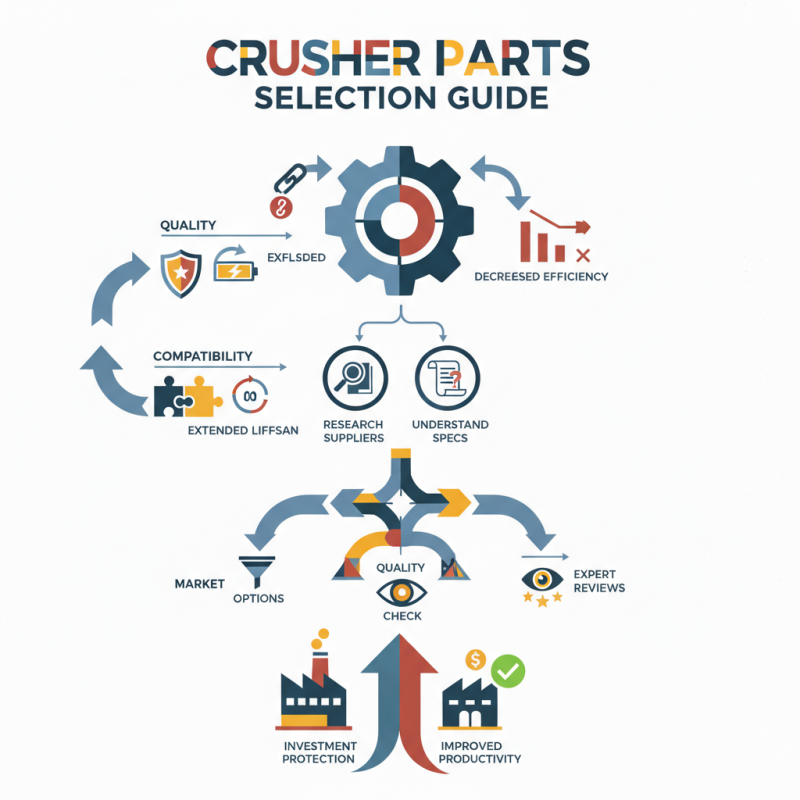
When selecting your Crusher Spare Parts, consider both quality and compatibility. High-quality parts can extend the lifespan of your machinery, translating to significant cost savings. Additionally, the right fit ensures minimal downtime. However, many users still overlook these factors, leading to operational challenges. It is crucial to invest time in researching suppliers and understanding product specifications.
In a market filled with options, discerning quality can be a daunting task. Many manufacturers offer various grades of spare parts, making it essential to consult authoritative sources and customer reviews. An informed decision can make a substantial difference. By prioritizing expertise and reliability, you can safeguard your investment and improve overall productivity.
Understanding the Importance of Crusher Spare Parts in Operations
Crusher spare parts play a vital role in ensuring the efficiency and longevity of crushing machinery. Understanding their importance is crucial for smooth operations. Quality spare parts minimize downtime, reduce operational costs, and maintain productivity. When crushers operate efficiently, the overall output of materials improves significantly. This translates into better profitability for businesses.
Choosing the right spare parts involves careful consideration of compatibility and reliability. Not all components are created equal, and low-quality parts can lead to frequent breakdowns. It's worth reflecting on what has happened in the past with subpar options. Relying on knowledgeable suppliers is essential. They can provide guidance on which parts best suit your specific needs.
Regular maintenance and timely replacement of worn parts can have a tremendous impact on performance, reflecting the significance of a proactive approach in parts management.
Identifying Key Factors for Selecting the Right Spare Parts
When selecting crusher spare parts, several key factors come into play. The material quality is critical. High-grade materials enhance durability and performance. Look for components made from robust alloys or treated metals. These materials can withstand the wear and tear of crushing processes effectively. Checking for certifications can also indicate reliability and adherence to industry standards.
Compatibility is another important aspect. Ensure the spare parts fit your specific crusher model. Mismatched parts can lead to inefficiency and increased maintenance costs. Consult technical specifications and verify with suppliers. Proper fitment ensures optimal functionality and longevity of the equipment.
Cost is often a decisive factor but shouldn't be the only one. While saving money is important, cheaper parts can lead to more frequent replacements and downtime. Reflect on the long-term implications of your choice. Investing in quality may mean higher upfront costs but can save you money in the future. Balancing price and quality will provide the best overall value.
Comparing Material Quality and Durability of Spare Parts
When selecting crusher spare parts, material quality and durability are crucial factors. According to a report from the International Journal of Mining Science and Technology, parts made from high-grade alloys show a 30% increase in lifespan compared to standard steel components. This long-lasting durability leads to fewer replacements and reduced downtime, positively impacting operational efficiency.
Material composition also plays a significant role in performance. High manganese steel, commonly used for jaw and cone crushers, offers excellent wear resistance. A study from the Journal of Materials Science indicated that parts made with this material reduce wear rates by nearly 40%. However, sourcing these materials can be challenging. Producers may compromise on quality to cut costs, leading to performance issues.
Practical testing is essential before making a decision. Evaluate the spare parts against optimal performance standards. Companies often report inconsistent quality levels, which necessitates vigilant scrutiny. Relying solely on suppliers’ claims can be misleading. Collect feedback from other users and inspect the materials yourself when possible.
Material Quality Comparison of Crusher Spare Parts
Evaluating Supplier Reliability and Customer Support
When selecting crusher spare parts, the reliability of suppliers must be a top priority. A study by the Construction Equipment Association highlights that 70% of equipment failures are linked to subpar spare parts. This statistic underscores the importance of partnering with reputable suppliers who have a proven track record. Evaluating supplier reliability involves assessing their history, client reviews, and delivery timelines. A supplier with consistent positive feedback can often indicate that they prioritize quality.
Customer support is another crucial element in the selection process. A survey conducted by the Machinery Maintenance Journal indicates that 82% of companies believe responsive customer service enhances overall satisfaction. Support should extend beyond the sale of parts, including installation guidance and troubleshooting assistance. It’s important to consider how quickly a supplier responds to inquiries. A delay in communication might signal larger issues with their support structure.
One should also reflect on the potential drawbacks of choosing low-cost parts from unreliable sources. A short-term savings strategy can lead to long-term costs through frequent repairs and downtime. An informed decision includes weighing the benefits of cost against the potential risks. Ultimately, quality matters in maintaining operational efficiency and extending the life of your equipment.
Analyzing Cost-Effectiveness and Warranty Options for Spare Parts
When selecting crusher spare parts, cost-effectiveness and warranty options significantly impact your decision. Industry reports suggest that using high-quality parts can reduce overall maintenance costs by up to 30%. However, cheaper alternatives may save money upfront but increase replacement frequency, leading to higher long-term expenses.
Warranties play a vital role in assessing reliability. Parts with longer warranty periods often indicate greater confidence in durability. According to a recent analysis, manufacturers with robust warranties usually experience fewer product failures. It is essential to balance price against the potential costs of unexpected downtime. Investing in reliable parts can prevent loss of productivity, which can be far more costly than the initial savings.
Evaluating supplier trustworthiness is crucial. Not all suppliers prioritize quality. Research indicates that about 25% of companies experience issues with subpar parts. Seek suppliers with a proven track record. They should provide clear information about material quality and manufacturing processes. Consider these factors carefully; they can significantly affect your operational efficiency.